
AI in Schools Faces Backlash Over Critical Thinking Loss

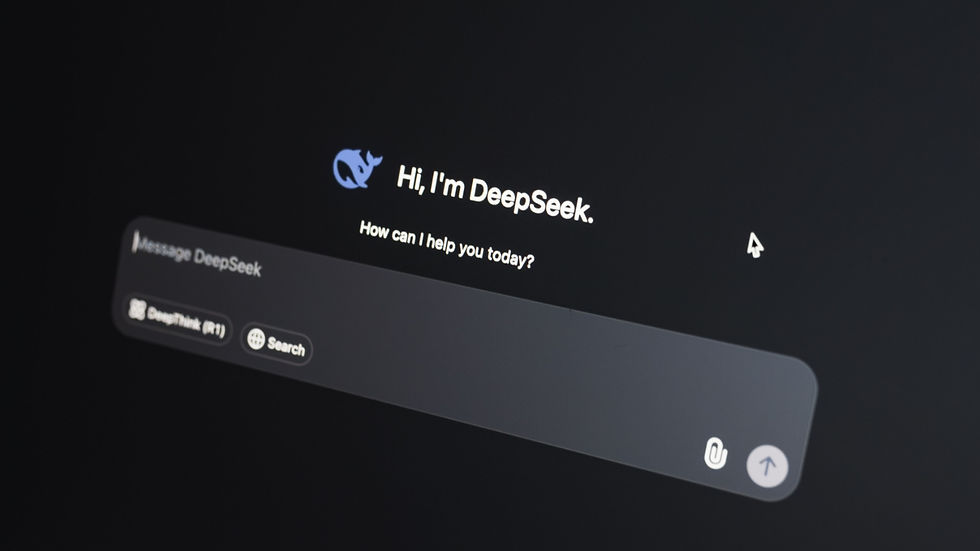
Artificial intelligence is rapidly transforming education, offering powerful tools that can personalize learning, support research, and help students explore new ideas. However, educators across the United States are beginning to question whether unrestricted access to AI is creating unintended consequences for K-12 students.
Teachers in several school districts, including New York City, report a growing number of students relying on platforms such as ChatGPT and Gemini to complete assignments instead of developing their own reasoning and writing skills. One educator described the challenge by saying, "I have kids who write with words that I know are not theirs," highlighting how difficult it has become to distinguish authentic student work from AI-generated content.
The concern extends beyond writing assignments. Many educators believe excessive dependence on AI and constant device use may be weakening critical thinking, problem-solving abilities, creativity, and perseverance, skills that are essential for long-term academic success and lifelong learning.
At the same time, pediatric specialists continue to study the effects of prolonged screen exposure on younger children. Some experts have observed increases in speech and language delays associated with excessive tablet use during early childhood, reinforcing the importance of balancing technology with meaningful face-to-face interaction and hands-on learning experiences.
In response, a growing number of schools are reintroducing traditional classroom practices. Teachers are encouraging handwritten note-taking, paper-based problem solving, classroom discussions, and collaborative projects that require students to think independently before turning to digital tools. Many schools implementing these changes report immediate improvements in student engagement, participation, and focus.
This shift is also reflected in broader education policy. As concerns about distraction and digital dependence continue to grow, 26 U.S. states have implemented or are moving toward "bell-to-bell" cellphone restrictions, limiting student access to personal devices throughout the entire school day to create more focused learning environments.
What This Means for Families
Rather than rejecting technology altogether, many educators advocate for a balanced approach. AI can be an excellent educational resource when used responsibly, but it should complement, not replace, the cognitive processes that help children become confident, independent thinkers.
At The Woodlands Preparatory School, we believe technology should enhance learning while preserving the essential human skills that define a great education: curiosity, creativity, collaboration, communication, and critical thinking. Preparing students for the future means teaching them not only how to use AI, but also when to question it, evaluate it, and think beyond it.


Comments